
Improve Landscape Health With Treecare
Trees are one of the most valuable parts of any property. They improve air quality, provide shade, increase curb appeal, and create a peaceful outdoor environment. However, trees also require regular attention to stay healthy and safe. Without proper care, trees can become weak, diseased, or hazardous. That is why professional services from RTEC Treecare are essential for homeowners and property managers who want to maintain beautiful landscapes year-round.
Tree health can be affected by many factors, including weather conditions, soil quality, pests, diseases, and poor maintenance practices. While some issues may appear minor at first, they can quickly grow into major problems if ignored. Professional tree specialists understand how to identify these concerns early and provide the right solutions before damage spreads.
The Importance of Proper Tree Maintenance
Many people assume trees can survive on their own without much care. While trees in forests naturally adapt to their environment, landscape trees often face additional stress. Urban settings expose trees to pollution, compacted soil, construction damage, and limited growing space. These conditions make regular maintenance extremely important.
Professional tree maintenance includes pruning, trimming, disease management, and inspections. These services help trees grow properly while reducing safety risks. Dead or damaged branches can fall unexpectedly during storms, creating danger for people, vehicles, and buildings. Regular inspections help identify weak limbs before they become hazardous.
Healthy trees also improve property value. Well-maintained landscapes leave a strong impression on visitors and potential buyers. A neglected tree with dead branches or fungal growth can have the opposite effect and make a property look poorly maintained.
Signs Your Trees Need Professional Attention
Trees often show warning signs when they are unhealthy. Property owners should pay attention to visible changes in leaves, bark, and branch structure. Early detection can prevent expensive damage and even save the tree.
Some common warning signs include:
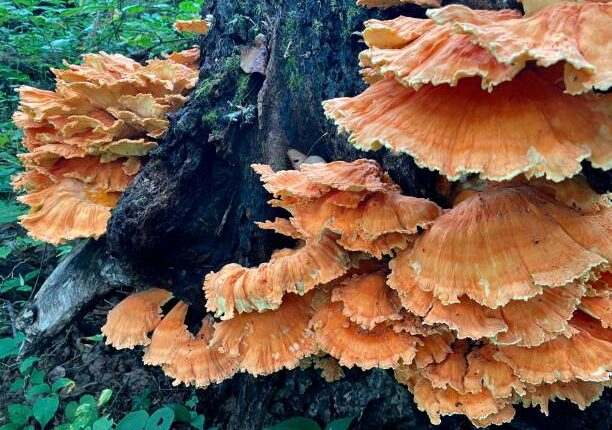
- Mushrooms growing near the base of the tree
- Cracked or peeling bark
- Dead or hanging branches
- Leaning trunks
- Sparse or discolored leaves
- Visible insect activity
- Root damage or soil lifting
Mushrooms around trees are especially important to monitor because they may indicate internal decay or root problems. Fungal growth can sometimes mean the tree is weakening from the inside. Professional arborists can inspect the tree carefully to determine whether treatment or removal is necessary.
Ignoring these warning signs can lead to severe structural damage. In some cases, weakened trees may collapse during heavy winds or storms.
Benefits of Professional Tree Pruning
Pruning is one of the most important aspects of tree care. Proper pruning encourages healthy growth and improves the overall appearance of the tree. However, incorrect pruning methods can permanently damage trees and reduce their lifespan.
Professional pruning provides several advantages:
Improved Tree Health
Removing diseased or damaged branches helps prevent decay from spreading to healthy areas. It also improves air circulation and sunlight penetration throughout the canopy.
Better Safety
Weak or overgrown branches can become dangerous during storms. Pruning reduces the risk of falling limbs and property damage.
Enhanced Appearance
Well-pruned trees create a clean and attractive landscape. Shaping trees properly also encourages balanced growth.
Increased Longevity
Healthy pruning techniques support stronger branch structures and reduce stress on the tree over time.
Tree experts know the correct timing and methods for pruning different species. Improper cuts made at the wrong time can leave trees vulnerable to disease and insect infestations.
How Tree Diseases Affect Landscapes
Tree diseases are more common than many people realize. Fungal infections, bacterial diseases, and pest infestations can weaken trees rapidly if left untreated. Some diseases spread through soil, while others travel through insects or contaminated tools.
Common tree diseases may cause symptoms such as:
- Wilting leaves
- Premature leaf drop
- Branch dieback
- Discolored bark
- Rotting wood
Once disease spreads through a tree, recovery becomes much more difficult. Professional arborists can identify the specific issue and recommend effective treatment options. Early diagnosis often makes the difference between saving a tree and removing it completely.
Routine inspections are valuable because some diseases develop internally before visible symptoms appear. Tree specialists use their experience to recognize hidden signs that property owners may overlook.
The Role of Tree Removal Services
Although preserving trees is usually the goal, removal is sometimes the safest solution. Dead or severely damaged trees can pose major risks to nearby structures and people. Storm damage, severe disease, or root instability may make removal necessary.
Professional tree removal requires proper equipment and expertise. Attempting to remove large trees without training can be extremely dangerous. Certified professionals use specialized tools and safety techniques to remove trees efficiently while protecting surrounding property.
After removal, stump grinding is often recommended. Leftover stumps can attract insects, create tripping hazards, and interfere with landscaping plans. Removing the stump helps restore the appearance and usability of the yard.
Seasonal Tree Care Matters
Trees have different needs throughout the year. Seasonal care helps maintain strong growth and prepares trees for changing weather conditions.
Spring Care
Spring is ideal for inspections and pruning after winter storms. Fertilization may also help support healthy growth.
Summer Care
Hot weather can stress trees, especially during drought conditions. Proper watering and pest monitoring become essential.
Fall Care
Fall pruning and cleanup help prepare trees for winter. Removing weak branches reduces storm-related risks.
Winter Care
Dormant season inspections allow arborists to identify structural issues more easily. Winter is also a common time for major pruning projects.
Seasonal maintenance improves long-term tree health and reduces unexpected emergencies.
Conclusion
Healthy trees require more than occasional watering and trimming. Professional care plays a major role in preventing disease, improving safety, and extending the life of valuable landscape trees. From pruning and inspections to disease management and removal services, expert attention helps trees remain strong and attractive throughout the year.
Investing in professional services from rtec treecare is one of the best ways to protect your property and maintain a healthy outdoor environment. Regular maintenance not only improves the beauty of your landscape but also helps prevent costly problems in the future.